

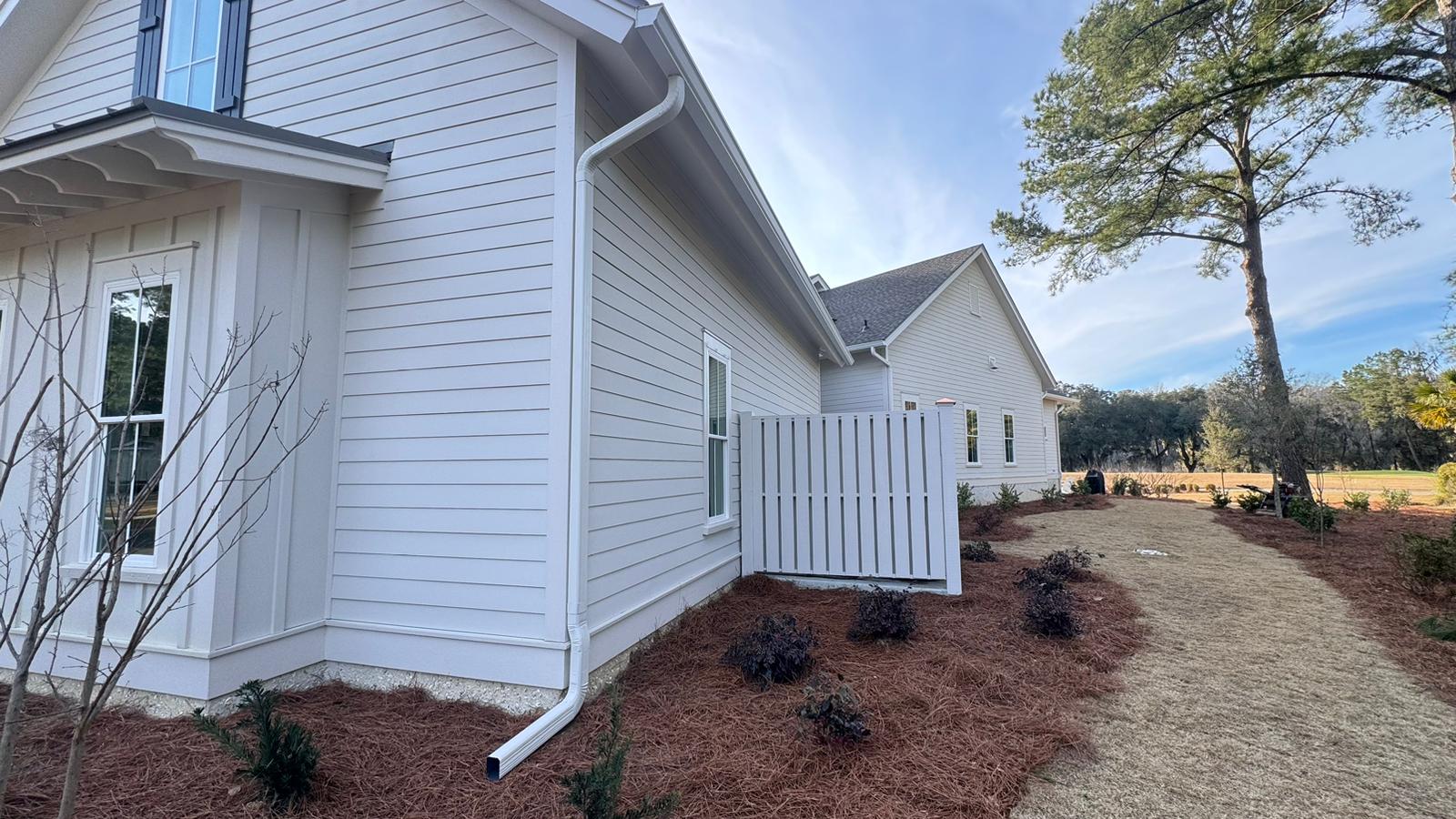
What Are Seamless Gutters?
If you are searching what is seamless gutters, the simple answer is that seamless gutters are custom-made gutter systems formed from long, continuous pieces of material. They are cut to fit your home’s roofline, which means they have fewer joints than sectional gutters. Fewer joints can help reduce leaks, create a cleaner appearance, and move water away from your home more effectively.
Unlike sectional gutters, which are assembled from shorter pieces, this type of system is usually made on-site with a gutter machine. The installer measures the roofline, forms the gutter from a metal coil, and cuts each run to the exact length needed for the home.
What Are Seamless Gutters?
Seamless gutters are made in long, continuous runs instead of being pieced together from multiple short sections. Most residential systems are made from aluminum because it is lightweight, rust-resistant, and practical for many homes.
The word “seamless” can be a little confusing. These gutters still have seams at corners, end caps, outlets, and downspout connections. The main difference is that the long straight sections do not have joints every few feet.
That matters because joints are one of the most common places where leaks begin. With fewer connection points, there are fewer areas where sealant can fail, debris can catch, or water can escape.
How the System Works
A seamless gutter system collects water as it runs off the roof and directs it toward the downspouts. From there, the water is carried away from the siding, foundation, landscaping, walkways, and entry areas.
For the system to work correctly, the gutters need to be properly sized, pitched, fastened, and connected to enough downspouts. A gutter run that is too small, too flat, or missing proper drainage can still overflow even if the material itself is high quality.
This is why installation quality matters. A good installer looks at roof size, roof pitch, valleys, fascia condition, water flow, and where the downspouts should discharge.
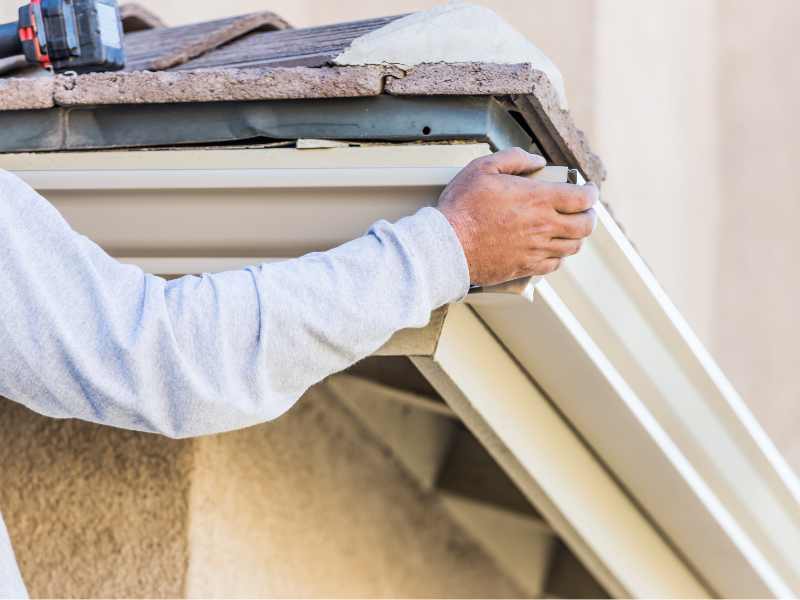
How Seamless Gutters Are Made
Most seamless gutter systems are made at the property. The contractor brings a gutter machine and a coil of gutter material to the home. The flat coil is fed through the machine, which forms it into the gutter profile.
After the gutter is shaped, the installer cuts it to the correct length for each roofline section. Outlets are added for downspouts, end caps are attached, and corners are built where the roofline changes direction.
This custom process is one reason professional installation costs more than basic sectional gutter installation. The system is being made to fit the home instead of being assembled from standard store-bought lengths.
Seamless vs. Sectional Gutters
Sectional gutters come in shorter pieces that are joined together during installation. Each joint needs a connector or sealant to help keep water inside the gutter. Over time, those joints can loosen, separate, crack, or leak.
Seamless gutters reduce that issue because each straight run is one continuous piece. This gives the system a cleaner appearance and removes many of the common leak points found in sectional gutters.
Sectional gutters may work for small projects, sheds, detached garages, or temporary repairs. For a full-home gutter installation, a custom-fit system is usually the stronger long-term choice.
Common Gutter Materials
Aluminum is the most common material used for seamless gutter installation. It is lightweight, resistant to rust, available in many colors, and cost-effective for most homes. For many homeowners, aluminum offers the best balance of price, durability, and appearance.
Copper is a premium option. It costs more, but it offers a distinctive look and can last a long time when installed correctly. Copper is often used on historic homes, custom homes, or properties where curb appeal is a major priority.
Steel may also be used in some cases, although it is heavier and can be more expensive depending on the product. The best material depends on the home, budget, local climate, roof design, and the homeowner’s appearance preferences.
Are Seamless Gutters Leak-Free?
No gutter system is completely leak-free forever. Seamless gutters reduce the number of leak-prone joints, but they can still leak if they are poorly installed, damaged, clogged, or not maintained.
Leaks can still happen at corners, end caps, downspout outlets, and areas where sealant has failed. Gutters can also pull away from the fascia if they are not fastened correctly or if the fascia board is damaged.
The benefit is not that the system removes every possible issue. The benefit is that it eliminates many unnecessary joints from the straight gutter runs, which reduces one of the most common sources of leaks.
Choosing the Right Gutter Size
Many homes use 5-inch or 6-inch gutters. A 5-inch system may work well for smaller or simpler rooflines. A 6-inch system may be better for larger homes, steeper roofs, long gutter runs, or areas with heavier water flow.
The downspouts matter too. A larger gutter will not perform well if there are too few downspouts or if the outlets are too small. Water needs a clear path out of the gutter and away from the home.
A good estimate should explain the recommended gutter size, the number of downspouts, and why that setup makes sense for the property. This is one way to tell whether the contractor is actually evaluating the home instead of giving a generic price.
Are Seamless Gutters Worth It?
For many homeowners, seamless gutters are worth it because they offer a better fit, cleaner appearance, and fewer leak points than sectional gutters. They are especially valuable when replacing an older system with multiple leaks, sagging areas, or failing joints.
They may cost more upfront than basic sectional gutters, but the added value comes from the custom fit, reduced seam failure, and stronger long-term performance. A properly installed system can help protect the home from water damage, fascia problems, foundation moisture, and landscape washout.
The key is choosing the right size, material, downspout layout, and installer. The system is only as good as the planning and workmanship behind it.
Maintenance Requirements
Seamless gutters still need maintenance. Leaves, pine needles, roof grit, seed pods, and other debris can collect inside the system. If the gutters clog, water can overflow near the roof edge, siding, landscaping, or foundation.
How often they need cleaning depends on the property. Homes with overhanging trees usually need more frequent gutter cleaning than homes with open rooflines.
Gutter guards can reduce how often gutters need to be cleaned, but they do not make the system maintenance-free. Guards still need occasional inspection, especially after heavy debris buildup.
What to Look for in a Seamless Gutter Estimate
A good estimate should explain more than the total price. It should list the gutter material, gutter size, number of downspouts, removal of old gutters if needed, and whether fascia issues are included or priced separately.
Homeowners should also ask how the contractor handles corners, long runs, roof valleys, and areas where water tends to overflow. These details affect how well the system performs after installation.
Be cautious with vague quotes that do not explain the material, size, or drainage layout. A clear estimate makes it easier to compare options and avoid paying for a system that is undersized or poorly planned.
Seamless Gutters FAQ
Are seamless gutters better than regular gutters?
Seamless gutters are usually better for full-home installations because they have fewer joints along the roofline. Fewer joints means fewer places where leaks can form.
Do seamless gutters still leak?
Yes, they can still leak at corners, end caps, outlets, or damaged sections. They reduce leak risks, but they still need proper installation and maintenance.
Are seamless gutters worth the money?
For most homeowners, they are worth the money because they provide a cleaner look, custom fit, and fewer seam-related problems than sectional gutters.
Can seamless gutters be repaired?
Yes, they can often be repaired if the damage is limited to one area. Common repairs include resealing corners, replacing hangers, clearing clogs, fixing downspouts, or correcting minor slope problems.
Do seamless gutters need gutter guards?
Not always. Gutter guards can help reduce debris buildup, but they are not required for every home. The right choice depends on nearby trees, roof debris, maintenance needs, and the homeowner’s budget.
Final Thoughts
Seamless gutters are custom-made gutter systems designed to reduce leaks, improve appearance, and move water away from the home more effectively. They still have seams at corners and downspout connections, but they avoid the many joints found in sectional gutter systems.
For homeowners who want a cleaner, stronger, and longer-lasting gutter solution, this type of system is often worth considering. The best results come from choosing the right material, proper gutter size, enough downspouts, and a professional installation that fits the home’s roofline.

Helder is the owner of GutterXperts, a family-owned seamless gutter company serving Bluffton, Hardeeville, Hilton Head Island, and the surrounding Lowcountry. He personally inspects every completed installation, and the team fabricates each gutter run on-site to match the exact roofline rather than using pre-cut sections. GutterXperts is licensed in South Carolina and Georgia and has served more than 500 homes throughout the region.