

Gutters and Downspouts: What They Are, How They Work, and How to Install Them
Gutters and downspouts protect your home from water damage, but most homeowners only think about them when something goes wrong.
If you are trying to understand what a gutter is, what a downspout does, or how to install one properly, this guide walks you through everything in a clear, practical way.
By the end, you will know how the system works, how to install or improve it, and how to avoid the mistakes that lead to expensive repairs.
What Is a Gutter and What Does It Do
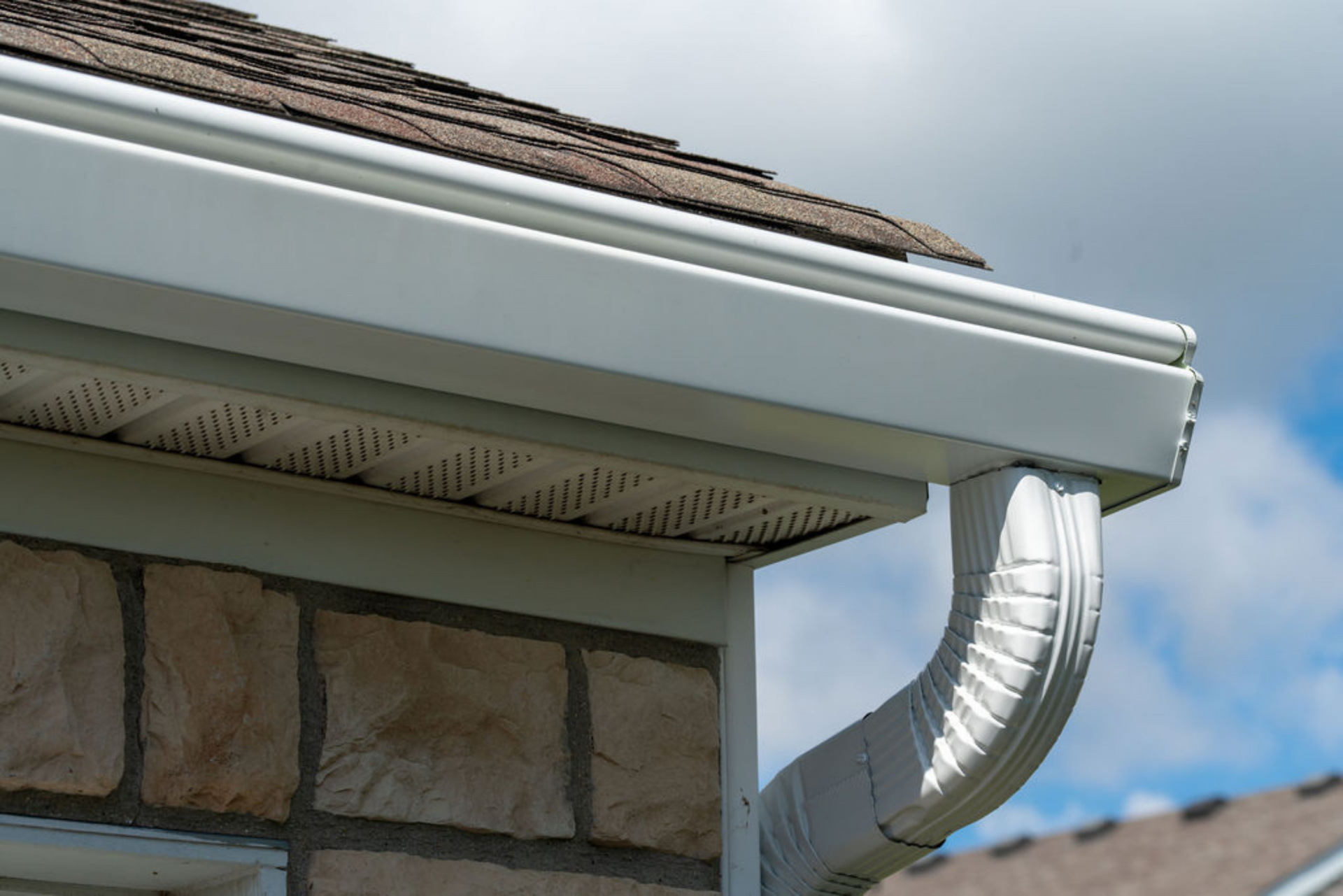
A gutter is a channel installed along the edge of your roof that collects rainwater and directs it away from your home.
In simple terms, rain gutters control where water goes. Without them, water falls straight off the roof and collects around your foundation. Over time, this can lead to soil erosion, siding damage, and even structural issues.
A properly installed gutter system spreads water out and directs it safely toward downspouts so it does not concentrate in one area.
What Is a Downspout and How Does It Work
A downspout is the vertical pipe that carries water from the gutter down to the ground.
The system works as a continuous flow. Rainwater enters the gutter, travels along its slope, and exits through the downspout. From there, it is directed away from your home.
If the downspout is missing, clogged, or poorly installed, water will overflow and pool near the foundation, which defeats the entire purpose of the system.
What Are Gutters Made Of
Gutters are made from a range of materials, and each one affects durability, cost, and long-term performance.
Aluminum is the most common choice because it is lightweight and resistant to rust. Vinyl is more affordable and easier to install, but it does not hold up as well in extreme weather. Steel is stronger but can corrode over time if not properly coated. Copper is a premium option that lasts the longest and develops a distinct appearance as it ages.
The right material depends on your budget, climate, and how long you expect the system to last.
What Is a K Style Gutter
A K style gutter is the most widely used gutter profile for residential homes.
It has a flat back that attaches to the fascia and a shaped front that resembles crown molding. This design is not just aesthetic. It also allows the gutter to handle more water than traditional rounded styles.
Because of its capacity and strength, K style gutters are a practical choice for homes that experience heavy rainfall.
Types of Downspouts
Downspouts come in different shapes, but the two most common are round and rectangular.
Round downspouts are typically used with half-round gutters and are often chosen for older or decorative homes. Rectangular downspouts are more common in modern systems and pair well with K style gutters.
The main difference comes down to compatibility and how much water they can handle.
How to Attach a Downspout to a Gutter
Attaching a downspout correctly is essential for preventing leaks and overflow.
The process starts by cutting an opening in the gutter where water will exit. A drop outlet is installed in that opening, and the downspout is connected to it. The connection is then secured with screws or rivets and sealed to prevent leaks.
Even small gaps or loose fittings at this stage can lead to long-term problems, so precision matters.
How to Install Downspouts (Step-by-Step)
Installing downspouts starts with proper planning. You want to position them where water naturally collects, usually at corners or low points along the gutter.
Once placement is determined, sections of downspout are measured and cut to fit from the gutter to the ground. Brackets are attached to the wall to hold everything in place, typically spaced a few feet apart. Elbows and extensions are added to guide water away from the home.
After installation, running water through the system is a simple way to check for leaks or flow issues.
How to Install Rain Gutter Downspout Extensions
A downspout should not stop right at the base of your home. Without an extension, water will still collect near the foundation.
Installing an extension involves attaching it to the bottom of the downspout and angling it away from the house. The goal is to move water far enough away that it does not return toward the structure.
This small addition can make a significant difference in preventing long-term damage.
How to Attach a Downspout Extension
If your system already has a downspout, adding an extension is straightforward.
The extension connects directly to the outlet at the bottom. Once attached, it should be secured and aligned so water flows in the correct direction. If it is angled improperly, water can still pool in unwanted areas.
How to Bury Downspouts for Better Drainage
Burying downspouts is a more advanced solution that improves both drainage and appearance.
This involves digging a trench that leads away from your home and installing a pipe connected to the downspout. The pipe should slope downward so water flows naturally away. Once installed, the trench is covered, leaving a clean, finished look.
This method is especially useful for properties with drainage issues or limited surface runoff space.
How Many Gutter Hangers Per Foot Do You Need
Gutter hangers provide the support that keeps your system stable over time.
In most cases, spacing them every two to three feet is sufficient. In areas with heavy rain or snow, closer spacing helps prevent sagging and ensures the gutter maintains proper slope.
Insufficient support is one of the most common reasons gutters fail prematurely.
Why Gutters and Downspouts Are Essential for Your Home
Gutters and downspouts do more than just move water. They protect multiple parts of your home at once.
Without them, water can damage the foundation, wash away soil, and create moisture problems that lead to mold. Over time, this kind of exposure also affects siding, fascia, and roofing materials.
A properly functioning system acts as a controlled drainage path, which keeps water from becoming a structural problem.
Common Problems and Mistakes to Avoid
Most gutter and downspout issues come down to poor installation or lack of maintenance.
Clogs are one of the most frequent problems, especially in areas with heavy debris. Improper slope can cause water to sit instead of flow. Loose connections or missing extensions often lead to water pooling near the home.
Catching these issues early prevents more serious damage later.
Maintenance Tips to Keep Your System Working
Routine maintenance keeps your system performing as it should.
Cleaning gutters regularly helps prevent blockages. Checking connections ensures water is not leaking at joints. After heavy rain, it is worth confirming that water is flowing properly through the downspouts and away from the home.
Consistent upkeep extends the lifespan of the entire system.
Frequently Asked Questions
What is a downspout?
A downspout is a vertical pipe that carries rainwater from your gutter down to the ground. Its main purpose is to direct water away from your home’s foundation to prevent damage. Without a properly functioning downspout, water can pool and cause structural issues over time.
What is a gutter?
A gutter is a channel installed along the edge of your roof that collects rainwater. It works by guiding water toward downspouts instead of letting it fall freely around your home. This helps protect your siding, foundation, and landscaping from water damage.
What do rain gutters do?
Rain gutters control how water flows off your roof during storms. They prevent water from collecting around your home, which reduces the risk of erosion, leaks, and foundation problems. In short, they act as a controlled drainage system for your property.
How do you install downspouts?
Downspouts are installed by attaching them to a gutter outlet and securing them to the wall with brackets. The system should be positioned to guide water away from the home efficiently. Proper installation also includes testing for leaks and ensuring smooth water flow.
How do you bury downspouts?
To bury a downspout, you connect it to an underground drainage pipe that carries water away from your home. The pipe should be installed with a slight slope so water flows naturally. This method improves drainage and keeps your yard looking clean and uncluttered.
Final Thoughts
Gutters and downspouts may seem like simple components, but they play a major role in protecting your home.
Understanding how they work and how to install and maintain them properly helps you avoid costly repairs and long-term damage. Whether you are installing a new system or improving an existing one, getting the details right makes all the difference.